
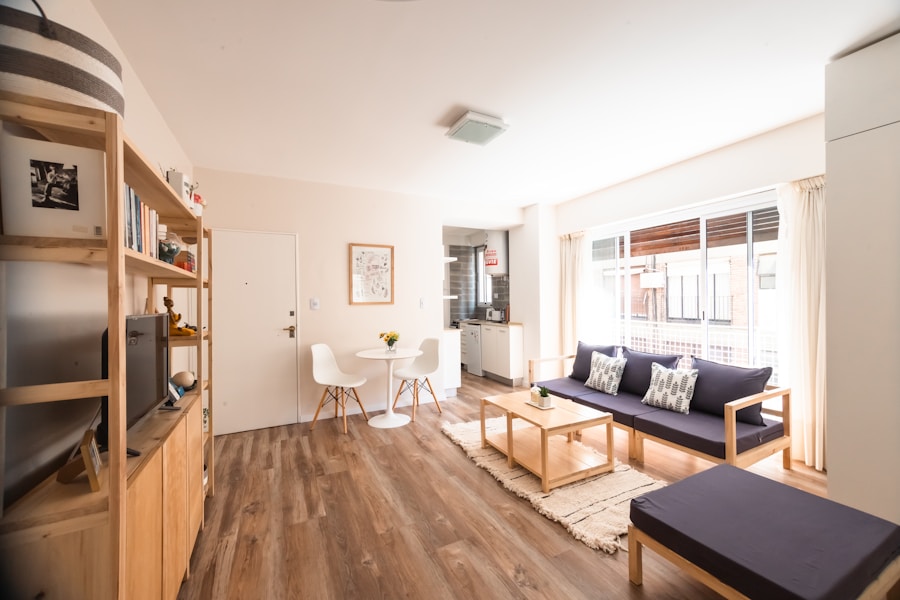
In recent years, there has been a significant rise in the popularity of multifunctional furniture. This trend can be attributed to the increasing demand for practical and space-saving solutions in modern living spaces. Multifunctional furniture is designed to serve multiple purposes, allowing homeowners to maximize the use of their limited space. For example, a sofa bed can be used as a comfortable seating option during the day and easily transformed into a bed for overnight guests. Similarly, coffee tables with built-in storage compartments provide a convenient way to keep living rooms organized and clutter-free. The versatility of multifunctional furniture makes it an attractive choice for those looking to make the most of their living space without sacrificing style or comfort.
Another factor contributing to the rise of multifunctional furniture is the growing trend of urban living. With more people choosing to live in smaller apartments and condos, there is a greater need for furniture that can adapt to the limited space available. Multifunctional pieces such as nesting tables, ottomans with hidden storage, and convertible dining tables have become essential for urban dwellers looking to create functional and stylish living areas. As the demand for multifunctional furniture continues to grow, designers and manufacturers are constantly innovating to create new and exciting pieces that offer practical solutions for modern living.
Embracing Sustainable and Eco-Friendly Materials
In recent years, there has been a noticeable shift towards sustainable and eco-friendly materials in the furniture industry. This trend reflects a growing awareness of environmental issues and a desire to make more conscious choices when it comes to home furnishings. Consumers are increasingly seeking out furniture made from renewable resources such as bamboo, reclaimed wood, and recycled materials. These materials not only reduce the environmental impact of furniture production but also add a unique and natural aesthetic to living room spaces.
In addition to using sustainable materials, many furniture manufacturers are also embracing eco-friendly production methods. This includes using non-toxic finishes and adhesives, as well as minimizing waste and energy consumption during the manufacturing process. As a result, consumers can now find a wide range of environmentally friendly furniture options that are both stylish and sustainable. From sofas and armchairs made with organic fabrics to coffee tables crafted from reclaimed wood, there are plenty of eco-friendly choices available for those looking to create a more sustainable living room environment.
The Return of Retro and Vintage Styles
In recent years, there has been a resurgence of interest in retro and vintage styles in living room furniture. This trend reflects a growing appreciation for the timeless appeal of mid-century modern and vintage-inspired designs. Many homeowners are drawn to the clean lines, bold colors, and iconic silhouettes that define these styles, making them a popular choice for those looking to add character and personality to their living spaces. From iconic Eames lounge chairs to sleek Danish teak sideboards, retro and vintage pieces have become sought-after additions to modern living rooms.
The resurgence of retro and vintage styles can also be attributed to the desire for unique and one-of-a-kind pieces that stand out from mass-produced furniture. Many consumers are turning to vintage and second-hand stores in search of distinctive pieces that tell a story and add a sense of history to their homes. Additionally, the popularity of retro and vintage styles has led to a resurgence in the production of new furniture inspired by mid-century modern and vintage designs. This has created a diverse range of options for those looking to incorporate retro flair into their living room decor, from statement-making accent chairs to sleek media consoles with a nostalgic twist.
The Popularity of Modular and Customizable Furniture
Modular and customizable furniture has become increasingly popular in recent years, offering homeowners the flexibility to create personalized living room layouts that suit their individual needs and preferences. This trend reflects a growing demand for furniture that can adapt to different spaces and lifestyles, allowing consumers to customize their living rooms according to their specific requirements. Modular sofas, for example, can be configured in various arrangements to accommodate different seating needs, while customizable shelving units offer endless possibilities for organizing and displaying personal belongings.
The popularity of modular and customizable furniture can also be attributed to the desire for versatility and longevity in home furnishings. Many consumers are drawn to the idea of investing in pieces that can evolve with their changing needs over time, rather than being limited by fixed designs and configurations. This has led to an increase in the availability of modular furniture systems that offer interchangeable components, allowing homeowners to create unique arrangements that reflect their individual style and functionality preferences. As the demand for customizable living room furniture continues to grow, designers and manufacturers are focusing on creating innovative solutions that offer endless possibilities for personalization and creativity.
The Decline of Oversized and Bulky Pieces
In contrast to the popularity of multifunctional and customizable furniture, there has been a noticeable decline in the demand for oversized and bulky pieces in living room furniture. This trend reflects a shift towards more streamlined and space-conscious designs that prioritize comfort and functionality without overwhelming the room. Many homeowners are opting for sleeker and more compact seating options such as slim-profile sofas, armless chairs, and low-profile coffee tables that create a more open and airy feel in their living spaces.
The decline of oversized and bulky pieces can also be attributed to the growing preference for minimalist and contemporary aesthetics in interior design. Many consumers are drawn to the clean lines and understated elegance of modern furniture designs, which often prioritize simplicity and practicality over ornate details and excessive proportions. As a result, there has been a move towards more refined and proportionate living room furniture that complements the overall aesthetic of modern interiors. This has led to an increase in the availability of space-saving solutions such as compact sectional sofas, nesting tables, and wall-mounted storage units that offer functionality without sacrificing style.
The Influence of Technology on Living Room Furniture
The influence of technology on living room furniture has become increasingly evident in recent years, with many homeowners seeking out innovative solutions that integrate seamlessly with their digital lifestyles. This trend reflects a growing demand for furniture that can accommodate the use of electronic devices such as smartphones, tablets, and smart home assistants without compromising on style or comfort. Many modern sofas and armchairs now come equipped with built-in USB charging ports, wireless charging pads, and integrated speakers, allowing users to stay connected and entertained while relaxing in their living rooms.
In addition to incorporating technology into individual pieces of furniture, there has been a rise in the development of smart furniture systems that offer advanced connectivity and automation features. For example, modular media consoles with built-in cable management systems and adjustable shelving units provide a convenient way to organize and access electronic devices while keeping cords and cables out of sight. Similarly, smart lighting systems that can be controlled via smartphone apps or voice commands have become popular additions to modern living rooms, offering customizable lighting options that enhance the ambiance and functionality of the space.
The Shift Towards Minimalist and Scandinavian Designs
The shift towards minimalist and Scandinavian designs in living room furniture reflects a growing preference for clean lines, natural materials, and understated elegance in interior design. This trend has been influenced by the timeless appeal of Scandinavian design principles, which prioritize simplicity, functionality, and comfort in home furnishings. Many homeowners are drawn to the light and airy aesthetic of Scandinavian-inspired living rooms, which often feature neutral color palettes, organic textures, and uncluttered spaces that promote relaxation and well-being.
The popularity of minimalist and Scandinavian designs can also be attributed to the desire for timeless and versatile furniture that transcends trends and fads. Many consumers are seeking out pieces that offer enduring style and quality craftsmanship, making Scandinavian-inspired furniture an attractive choice for those looking to create a timeless and sophisticated living room environment. From sleek leather sofas with clean lines to minimalist coffee tables with natural wood finishes, there are plenty of options available for those looking to embrace the simplicity and warmth of Scandinavian design in their living spaces.
In conclusion, the trends shaping the future of living room furniture reflect a growing emphasis on practicality, sustainability, versatility, technology integration, and timeless design principles. As homeowners continue to seek out innovative solutions that cater to their evolving lifestyles and preferences, the furniture industry is responding with a diverse range of options that offer endless possibilities for personalization and creativity. Whether it’s multifunctional pieces that maximize space efficiency or eco-friendly materials that promote sustainability, the future of living room furniture is set to be defined by a harmonious blend of style, functionality, and conscientious design choices.