
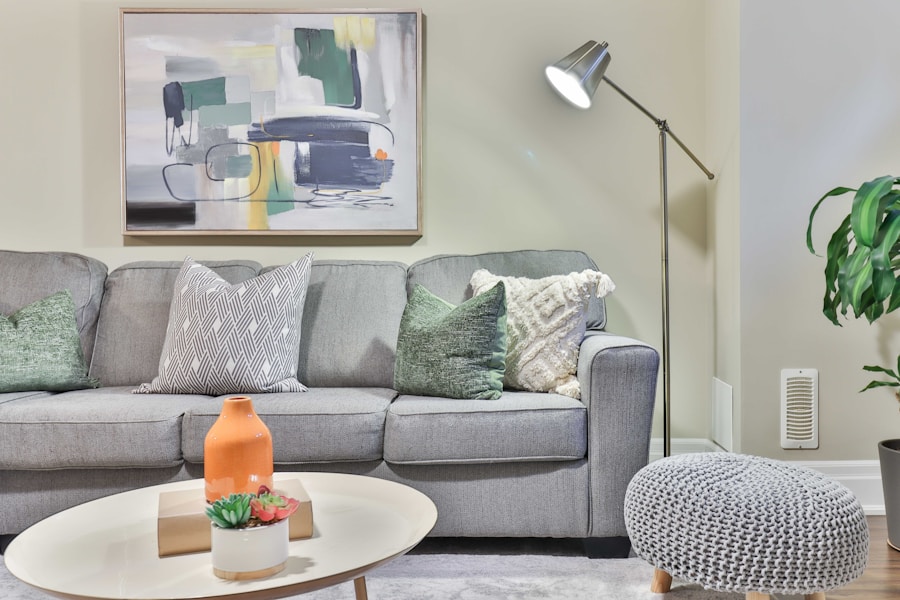
When it comes to decorating a living room, one of the most important aspects to consider is mixing and matching different furniture pieces and decor items. Mixing and matching allows you to create a unique and personalized look that reflects your personal style and taste. To successfully mix and match furniture and decor, it’s important to consider the overall style and theme of the room. Whether you prefer a modern, traditional, or eclectic look, it’s essential to choose pieces that complement each other while adding visual interest to the space. Additionally, mixing and matching can also involve combining different materials, textures, and colors to create a cohesive and harmonious look.
In order to successfully mix and match furniture and decor, it’s important to have a clear vision of the overall aesthetic you want to achieve. This can involve creating a mood board or gathering inspiration from interior design magazines and websites. Once you have a clear vision, it’s important to consider the scale and proportion of the furniture pieces you want to mix and match. This involves ensuring that the different pieces work well together in terms of size and shape. Additionally, it’s important to consider the function of the room and how the furniture will be used. For example, if you’re decorating a small living room, it’s important to choose furniture pieces that are appropriately scaled to the space while still providing comfort and functionality.
Choosing the Right Loveseat and Chair Styles
When it comes to choosing the right loveseat and chair styles for your living room, there are several factors to consider. The first step is to determine the overall style and theme of the room. Whether you prefer a modern, traditional, or eclectic look, it’s important to choose loveseats and chairs that complement the overall aesthetic of the space. Additionally, it’s important to consider the size of the room and how the loveseat and chairs will fit into the space. For smaller living rooms, it’s important to choose loveseats and chairs that are appropriately scaled to the room while still providing ample seating.
In addition to considering the style and size of the loveseat and chairs, it’s also important to think about the comfort and functionality of the pieces. When choosing a loveseat, it’s important to consider factors such as seat depth, cushion firmness, and arm height. Similarly, when choosing chairs, it’s important to consider factors such as seat height, back support, and armrests. It’s also important to consider the material and upholstery of the loveseat and chairs. Whether you prefer leather, fabric, or a combination of both, it’s important to choose materials that are durable, easy to clean, and complement the overall aesthetic of the room.
Coordinating Colors and Patterns
Coordinating colors and patterns is an essential aspect of decorating a living room. When it comes to choosing colors for your living room, it’s important to consider the overall mood and atmosphere you want to create. Whether you prefer a calming and serene space or a vibrant and energetic one, it’s essential to choose colors that reflect your personal style and taste. Additionally, it’s important to consider the natural light in the room and how it will affect the colors you choose. For example, if you have a living room with limited natural light, it’s important to choose lighter colors that will help brighten up the space.
In addition to choosing colors, it’s also important to consider patterns when decorating a living room. Whether you prefer bold and graphic patterns or subtle and understated ones, it’s essential to choose patterns that complement each other while adding visual interest to the space. When coordinating patterns, it’s important to consider the scale and proportion of the patterns as well as how they will work together in the room. For example, if you have a patterned rug, it’s important to choose complementary patterns for throw pillows or curtains that will create a cohesive look in the space.
Balancing Proportions and Scale
Balancing proportions and scale is an important aspect of decorating a living room. When it comes to choosing furniture pieces for your living room, it’s essential to consider how they will fit into the space in terms of size and scale. For example, if you have a large living room, it’s important to choose furniture pieces that are appropriately scaled to the space while still providing ample seating and functionality. Similarly, if you have a small living room, it’s important to choose furniture pieces that are appropriately scaled to the space while still providing comfort and functionality.
In addition to considering the scale of furniture pieces, it’s also important to balance proportions in the room. This involves ensuring that different furniture pieces work well together in terms of size and shape. For example, if you have a large sectional sofa in your living room, it’s important to balance its proportions with smaller accent chairs or tables. Additionally, it’s important to consider the height of furniture pieces in relation to each other as well as how they will affect the flow and visual balance of the room.
Adding Texture and Layers
Adding texture and layers is an essential aspect of decorating a living room. When it comes to adding texture, it’s important to consider different materials such as wood, metal, glass, fabric, and leather. Whether you prefer a rustic, industrial, or contemporary look, adding texture can help create visual interest and depth in the space. Additionally, adding layers involves incorporating different elements such as rugs, throw pillows, blankets, curtains, and artwork that will add dimension and warmth to the room.
In addition to adding texture and layers through materials and decor items, it’s also important to consider how they will work together in terms of color and pattern. For example, if you have a neutral color palette in your living room, adding texture through different materials such as linen, wool, or leather can help create visual interest without overwhelming the space. Similarly, if you have a bold color palette in your living room, adding layers through different patterns such as stripes, florals, or geometric prints can help create a cohesive look while adding depth and personality to the space.
Creating a Focal Point in the Room
Creating a focal point in the living room is an important aspect of interior design. A focal point is a prominent feature in the room that draws attention and serves as a visual anchor for the space. When creating a focal point in your living room, it’s important to consider different elements such as furniture arrangement, artwork, architectural features, or decorative items that will help create visual interest and balance in the space. For example, if you have a fireplace in your living room, it can serve as a natural focal point that can be emphasized with artwork or decorative items such as mirrors or sculptures.
In addition to considering architectural features as focal points, it’s also important to think about how furniture arrangement can create a focal point in the room. For example, arranging furniture around a coffee table or an entertainment center can help create a central area that draws attention while providing functionality for seating or storage. Additionally, creating a focal point can also involve incorporating artwork or decorative items such as a large statement piece or a gallery wall that will serve as a visual anchor for the space.
Final Touches and Accessories
Final touches and accessories are essential elements that can help tie together the overall look of a living room. When it comes to adding final touches and accessories, it’s important to consider different elements such as lighting, artwork, decorative items, plants, and personal mementos that will add personality and warmth to the space. For example, adding table lamps or floor lamps can help create ambient lighting while adding visual interest to different areas of the room.
In addition to lighting, artwork is another important element that can add character and personality to a living room. Whether you prefer abstract paintings, photography, or sculptures, incorporating artwork can help create visual interest while reflecting your personal style and taste. Additionally, decorative items such as vases, candles, trays, or books can add texture and warmth to different areas of the room while serving as functional or decorative elements.
In conclusion, decorating a living room involves several key aspects such as mixing and matching furniture pieces and decor items, choosing the right loveseat and chair styles, coordinating colors and patterns, balancing proportions and scale, adding texture and layers, creating a focal point in the room, and adding final touches and accessories. By considering these key aspects and incorporating them into your design process, you can create a unique and personalized living room that reflects your personal style while providing comfort and functionality for everyday living.