
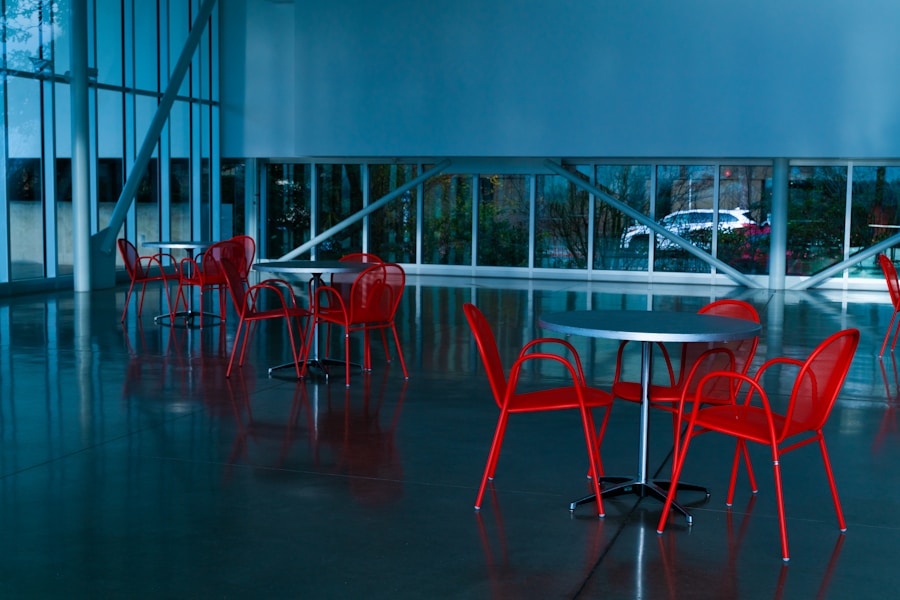
When it comes to choosing the right table for your space, there are several factors to consider. First, think about the size of the room and how much space you have to work with. A large, bulky table may overwhelm a small room, while a small table may get lost in a large space. Consider the shape of the table as well – round tables can create a more intimate setting, while rectangular tables are great for accommodating larger groups. Additionally, think about the style of the table and how it fits with the overall aesthetic of the room. A sleek, modern table may not work well in a rustic, farmhouse-style space, and vice versa. Finally, consider the material of the table – wood, glass, metal, and marble are all popular options, each with their own unique look and feel.
Another important factor to consider when choosing a table is its functionality. If you plan on using the table for meals, make sure it is durable and easy to clean. If you will be using it for work or hobbies, consider a table with built-in storage or a surface that is easy to write or work on. Additionally, think about how many people you need to accommodate at the table on a regular basis – if you frequently entertain large groups, a table with extension leaves may be a good option. Ultimately, the right table for your space will be one that fits your needs and complements the overall design of the room.
Layering with Decorative Pieces
Once you have chosen the right table for your space, it’s time to start layering in decorative pieces to add visual interest and personality. Start by considering the overall style and color scheme of the room – decorative pieces should complement the existing decor and help tie the room together. Consider adding a table runner or placemats to add texture and color to the table, and layer in decorative plates, bowls, and serving pieces to create a visually appealing tablescape. Don’t be afraid to mix and match different patterns and textures to create a dynamic look.
In addition to adding decorative pieces to the table itself, consider adding decorative elements around the table as well. A vase of fresh flowers or a potted plant can add a touch of natural beauty, while candles or lanterns can create a warm and inviting atmosphere. Consider adding artwork or mirrors to the walls around the table to create a focal point and add depth to the space. Ultimately, layering in decorative pieces is an opportunity to showcase your personal style and create a welcoming and visually appealing dining area.
Adding Greenery and Natural Elements
Incorporating greenery and natural elements into your dining space can help create a sense of warmth and tranquility. Consider adding potted plants or fresh flowers to the table or surrounding areas to bring a touch of nature indoors. Not only do plants add visual interest and color to the space, but they also help purify the air and create a sense of calm. Additionally, consider incorporating natural materials such as wood, stone, or woven textiles into your decor to add warmth and texture.
Another way to incorporate greenery and natural elements into your dining space is by bringing in elements from the outdoors. Consider using branches, twigs, or pinecones as decorative accents, or incorporating natural materials such as rattan or jute into your decor. Additionally, consider adding natural elements such as seashells, driftwood, or coral to create a coastal-inspired look. Ultimately, adding greenery and natural elements to your dining space can help create a sense of harmony and connection with the natural world.
Incorporating Functional Storage Solutions
Incorporating functional storage solutions into your dining space can help keep clutter at bay and make mealtime more enjoyable. Consider adding a sideboard or buffet to store extra dishes, serving pieces, and linens, or opt for a dining table with built-in storage such as drawers or shelves. Additionally, consider adding wall-mounted shelves or a hutch to display decorative items while keeping them easily accessible. Ultimately, incorporating functional storage solutions into your dining space can help create a more organized and efficient area for mealtime.
Another way to incorporate functional storage solutions into your dining space is by using multi-purpose furniture. Consider using benches with built-in storage for seating, or opt for a dining table with drop leaves that can be folded down when not in use. Additionally, consider using decorative baskets or bins to corral items such as napkins, placemats, or condiments. Ultimately, incorporating functional storage solutions into your dining space can help create a more streamlined and efficient area for mealtime.
Creating Balance with Lighting
Creating balance with lighting in your dining space is essential for setting the right mood and atmosphere. Start by considering the overall lighting needs of the room – if your dining area is used primarily for meals, consider adding a statement chandelier or pendant light above the table to provide ample task lighting. Additionally, consider adding wall sconces or floor lamps to provide ambient lighting and create a warm and inviting atmosphere.
In addition to providing adequate lighting for mealtime, consider using lighting to create visual interest and focal points in the room. Consider adding accent lighting such as spotlights or picture lights to highlight artwork or decorative elements on the walls. Additionally, consider using candles or lanterns as decorative lighting elements to create a cozy and intimate atmosphere. Ultimately, creating balance with lighting in your dining space is essential for setting the right mood and atmosphere for mealtime.
Mixing Textures and Materials
Mixing textures and materials in your dining space can help create a visually interesting and dynamic look. Start by considering the existing materials in the room – if you have a wooden dining table, consider adding upholstered chairs or benches to add softness and texture. Additionally, consider adding rugs or textiles such as curtains or tablecloths to add warmth and visual interest to the space.
In addition to mixing materials within the furniture and textiles in the room, consider adding decorative elements such as artwork or mirrors that incorporate different textures and materials. Consider using metal accents such as brass or copper to add a touch of glamour, or incorporating natural materials such as stone or wood to add warmth and texture. Ultimately, mixing textures and materials in your dining space is an opportunity to create a visually interesting and dynamic look that reflects your personal style.
Personalizing with Unique Accents
Personalizing your dining space with unique accents is an opportunity to showcase your personality and create a welcoming atmosphere for guests. Consider adding personal touches such as family photos or artwork that holds special meaning to you. Additionally, consider incorporating unique decorative accents such as vintage finds or handmade items that add character and charm to the space.
In addition to adding personal touches through decorative accents, consider incorporating unique serving pieces or tableware that reflect your personal style and taste. Consider using heirloom dishes or vintage glassware for special occasions, or opt for handmade pottery or artisanal pieces for everyday use. Ultimately, personalizing your dining space with unique accents is an opportunity to create a warm and inviting atmosphere that reflects your personal style and makes guests feel at home.
In conclusion, creating a welcoming and visually appealing dining space involves careful consideration of furniture, decor, lighting, textures, materials, and personal touches. By choosing the right table for your space and layering in decorative pieces that complement the overall aesthetic of the room, you can create a visually appealing tablescape that reflects your personal style. Adding greenery and natural elements can help create a sense of warmth and tranquility, while incorporating functional storage solutions can help keep clutter at bay and make mealtime more enjoyable. Creating balance with lighting is essential for setting the right mood and atmosphere in your dining space, while mixing textures and materials can help create a visually interesting and dynamic look. Finally, personalizing your dining space with unique accents is an opportunity to showcase your personality and create a welcoming atmosphere for guests. By carefully considering each of these elements, you can create a dining space that is both functional and visually appealing – a place where you can enjoy meals with family and friends for years to come.