
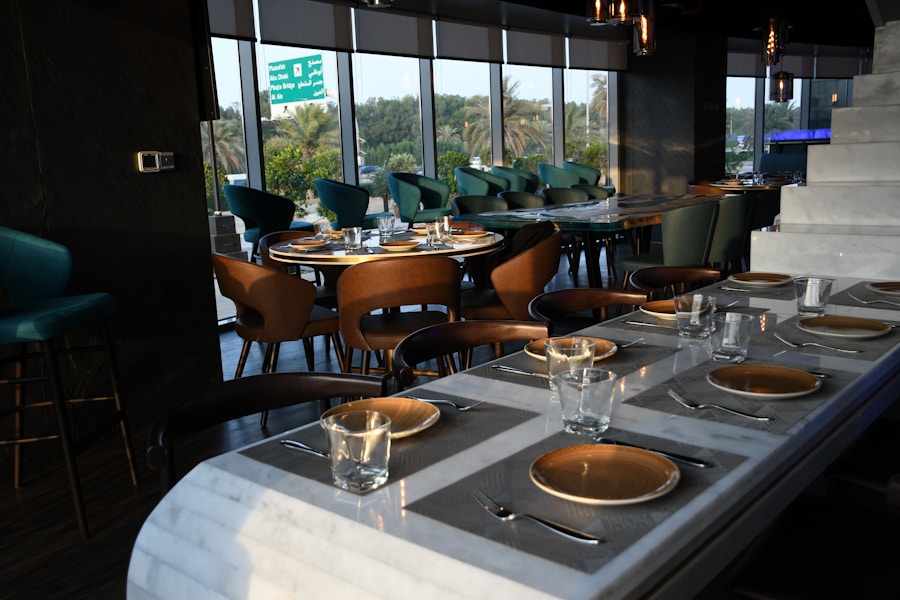
Sustainable materials are becoming increasingly popular in the world of design and construction. These materials are sourced from renewable resources, such as bamboo, cork, and reclaimed wood, and are often produced using environmentally friendly processes. One of the key benefits of using sustainable materials is that they help to reduce the depletion of natural resources and minimize the environmental impact of production. For example, bamboo is a fast-growing plant that can be harvested without causing damage to the environment, making it an excellent choice for flooring, furniture, and other interior design elements. Similarly, reclaimed wood is salvaged from old buildings and structures, reducing the need for new timber and preventing valuable resources from going to waste.
In addition to being environmentally friendly, sustainable materials also offer a range of aesthetic and functional benefits. For example, cork is a natural insulator that can help to regulate temperature and reduce energy consumption, making it an ideal choice for flooring and wall coverings. Similarly, bamboo is known for its strength and durability, making it a popular choice for furniture and structural elements. By incorporating sustainable materials into their designs, architects and interior designers can create spaces that are not only beautiful and functional but also environmentally responsible.
Low Carbon Footprint
In today’s environmentally conscious world, reducing carbon emissions is a top priority for many industries, including design and construction. One way to achieve this goal is by using materials and processes with a low carbon footprint. This means choosing materials that require minimal energy to produce and transport, as well as selecting products that are durable and long-lasting. For example, using locally sourced materials can help to reduce the carbon emissions associated with transportation, while choosing products with a long lifespan can minimize the need for frequent replacements.
In addition to selecting low-carbon materials, designers can also incorporate energy-efficient technologies into their projects to further reduce their environmental impact. For example, using solar panels to generate electricity or incorporating passive design strategies to maximize natural light and ventilation can help to minimize energy consumption and reduce carbon emissions. By prioritizing low-carbon materials and energy-efficient design strategies, architects and interior designers can create spaces that are not only beautiful and functional but also environmentally responsible.
Non-Toxic and Chemical-Free
In recent years, there has been a growing awareness of the potential health risks associated with exposure to toxic chemicals in building materials and furnishings. As a result, many designers and manufacturers are now prioritizing non-toxic and chemical-free materials in their projects. This means choosing products that are free from harmful substances such as formaldehyde, volatile organic compounds (VOCs), and phthalates, which can off-gas and contribute to indoor air pollution. By selecting non-toxic materials, designers can create healthier indoor environments that are safe for occupants and contribute to overall well-being.
In addition to being better for human health, non-toxic materials also offer environmental benefits. For example, choosing products made from natural or organic materials can help to reduce the demand for petroleum-based products and minimize the release of harmful chemicals into the environment. By prioritizing non-toxic and chemical-free materials, architects and interior designers can create spaces that not only look beautiful but also promote the health and well-being of their occupants.
Longevity and Durability
When it comes to designing sustainable spaces, longevity and durability are key considerations. By choosing materials and products that are built to last, designers can minimize the need for frequent replacements and reduce the overall environmental impact of their projects. For example, selecting high-quality flooring materials that are resistant to wear and tear can help to extend their lifespan and reduce the amount of waste generated over time. Similarly, choosing durable furniture and fixtures can help to minimize the need for replacements and contribute to a more sustainable design approach.
In addition to reducing waste, prioritizing longevity and durability can also help to minimize the environmental impact of production. By selecting products that are built to last, designers can reduce the overall demand for raw materials and energy, as well as the associated carbon emissions. By choosing materials and products with longevity and durability in mind, architects and interior designers can create spaces that are not only beautiful and functional but also environmentally responsible.
Versatility and Style
Sustainable design is not just about being environmentally friendly; it’s also about creating beautiful and functional spaces that reflect the unique style and personality of their occupants. One way to achieve this balance is by choosing versatile materials that can be used in a variety of applications and styles. For example, natural stone can be used to create a timeless and elegant look in a traditional setting, or it can be used in a more contemporary design to add a touch of luxury and sophistication. Similarly, reclaimed wood can be used to create a rustic and cozy atmosphere in a country cottage, or it can be used in a modern loft to add warmth and character.
In addition to versatility, sustainable materials also offer a range of styles and finishes that can be tailored to suit the specific needs of each project. For example, bamboo flooring is available in a variety of colors and patterns, making it suitable for a wide range of design styles. Similarly, cork wall coverings come in a range of textures and designs that can be customized to create unique and visually stunning interiors. By choosing versatile materials with a range of styles and finishes, architects and interior designers can create spaces that are not only environmentally responsible but also beautiful and unique.
Support for Local Artisans
In addition to being environmentally friendly, sustainable design also offers an opportunity to support local artisans and craftsmen. By choosing locally sourced materials and products, designers can help to promote traditional craftsmanship and support local economies. For example, using handcrafted tiles from a local pottery studio or commissioning custom furniture from a nearby woodworker can help to preserve traditional skills and techniques while creating unique and personalized interiors.
In addition to supporting local artisans, using locally sourced materials also helps to reduce the environmental impact of transportation and minimize the carbon emissions associated with long-distance shipping. By prioritizing locally made products, architects and interior designers can create spaces that are not only beautiful and unique but also socially responsible.
Recyclability and Biodegradability
One of the key principles of sustainable design is the idea of cradle-to-cradle thinking, which emphasizes the importance of designing products with their end-of-life in mind. This means choosing materials that are recyclable or biodegradable at the end of their useful life, rather than ending up in landfills or contributing to pollution. For example, using carpet tiles made from recycled materials allows for easy replacement or recycling at the end of their lifespan, reducing waste and minimizing environmental impact.
In addition to recyclability, biodegradability is another important consideration in sustainable design. Choosing products made from natural or organic materials that can break down at the end of their life cycle helps to minimize the environmental impact of disposal. For example, using biodegradable packaging materials or selecting furniture made from natural fibers can help to reduce waste and promote a more sustainable approach to design. By prioritizing recyclable and biodegradable materials, architects and interior designers can create spaces that are not only beautiful and functional but also environmentally responsible from cradle to cradle.
In conclusion, sustainable design offers a range of benefits for both the environment and the occupants of a space. By prioritizing sustainable materials with low carbon footprints, non-toxic properties, longevity, versatility, support for local artisans, recyclability, and biodegradability, architects and interior designers can create beautiful spaces that are not only aesthetically pleasing but also environmentally responsible. With an increasing focus on sustainability in design and construction, it’s clear that these principles will continue to play a crucial role in shaping the future of our built environment.